
Hannover, 14 November 2023
In this blog article, we provide an overview of the benefits of data analytics in the life science industry. Data analytics is currently on everyone’s lips and an integral part of many companies. However, one question quickly arises: what is the actual added value and why should companies deal with their data at all?
What is data analytics used for?
Data analytics is essential in the life sciences sector as it enables the right conclusions to be drawn from the vast amounts of data that characterize the industry. Data analytics offers a variety of benefits by helping to transform data into knowledge and insights that are crucial for the research, development and improvement of medical products, patient care and therapies.
In addition, data analytics forms the cornerstone of internal and external business processes, particularly in sales and customer care.
Why should I invest in data analytics?
From our point of view, there are four main reasons for this:
- Data transparency: In order to make informed business decisions based on data, it is crucial to first ensure data transparency. This is particularly relevant to guarantee effective performance monitoring in real time.
- Recognizing potential: It is essential for every company to identify and meaningfully evaluate untapped potential in areas such as process optimization, cost reduction and revenue growth using company data.
- Data-based decisions: Decisions based on one's own gut feeling are uncertain and cannot be measured. For this reason, it is important to make valid and data-based decisions.
- Fast responsiveness: As the market changes daily and adapts to new technologies, tools and customer needs, a fast and proactive response to market adjustments is required to remain competitive.
Now that we have looked at the four most important reasons for data analytics, only the main question remains, namely…
In which areas within the life science industry are data analytics beneficial?
The benefits of data analytics are many and varied depending on the business area within the life sciences industry. Listed below are some of the main areas where data analytics is commonly used in life science companies:
- Data-driven decision making: Pharmaceutical companies and healthcare institutions use data analytics to make informed business decisions, allocate resources more efficiently and minimize risks. Cost reduction is a popular example of how data analytics is often used to identify inefficient processes and over-utilization of resources.
- Prediction of disease outbreaks and understanding of disease mechanisms: Data analytics is used to monitor health data and detect disease outbreaks at an early stage. Additionally, data analytics helps to gain deeper insights into the biological mechanisms of diseases. This facilitates the development of therapies and can help to reduce the burden on public healthcare.
- Development of pharmaceuticals: Data analytics enables scientists to test hypotheses quickly and gain new insights. This significantly accelerates research and development, particularly in the development of drugs and pharmaceuticals. Data analytics can also be used in the field of clinical studies, e. g. to monitor the progress of studies, check results and select suitable patients.
- Optimization of diagnoses and treatment plans: Data analytics enables the analysis of patients' genetic and clinical data. Based on these analyses, personalized diagnoses and treatment plans can be developed in a subsequent step. This in turn can improve the effectiveness of therapies in the long term and minimize side effects in patients.
- Compliance with regulations and quality assurance: Data analytics helps to ensure compliance with legal regulations and quality standards in life science companies. In pharmaceutical production, quality problems can be identified and rectified quickly using data analytics in order to ensure the high safety of medicines.
Conclusion
Overall, it is clear that data analytics is of crucial importance in many decision-making processes today and can be used in a variety of application areas. It is a powerful tool that helps to tackle the complex challenges of the industry, such as drug development or ensuring quality control and assurance.
We at Lizardis are your experts in the life science sector and gladly accompany you on your data journey. We ensure that you receive data-based answers to your questions and can therefore always make the right decisions for your company.
Do you have any further questions about data analytics in the life science industry?
Please do not hesitate to get in touch with us. We look forward to helping you!
You want more insights?
Check out our other blog articles!
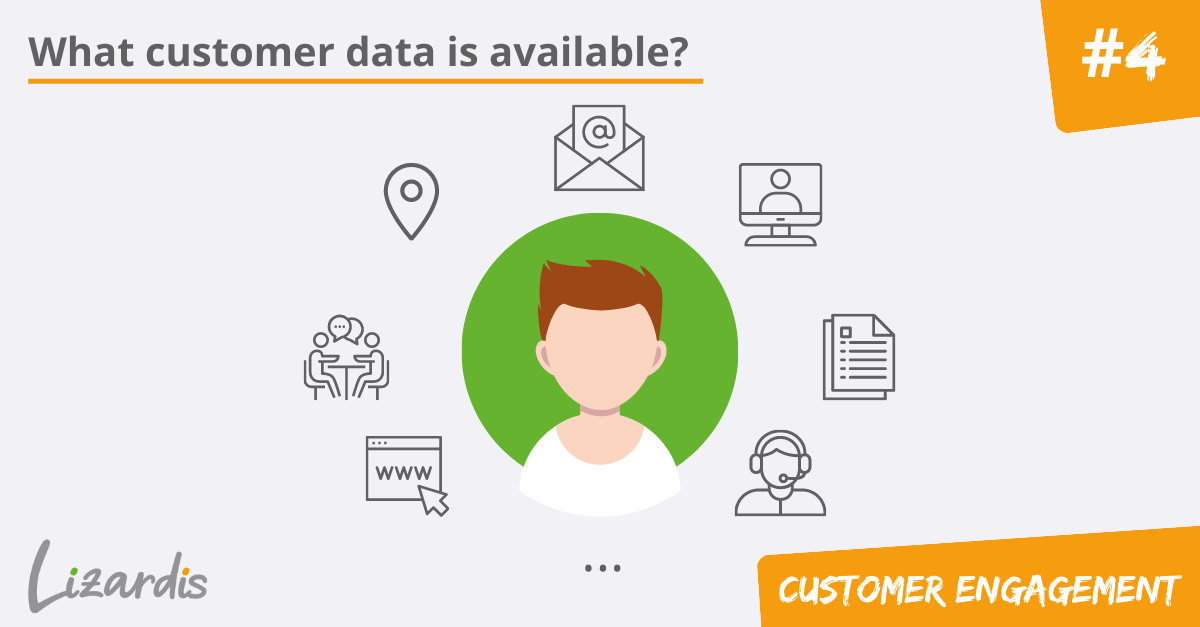
What customer data is available to life sciences companies?
Correct data collection & processing is not the favorite topic of many, but immensely important! Without data no information & therefore no reliable statements.

The reason why Veeva CRM training is still important
There are many challenges when implementing a CRM system, such as Veeva CRM. Use my best practices from over 10 years of Veeva Training for your project.
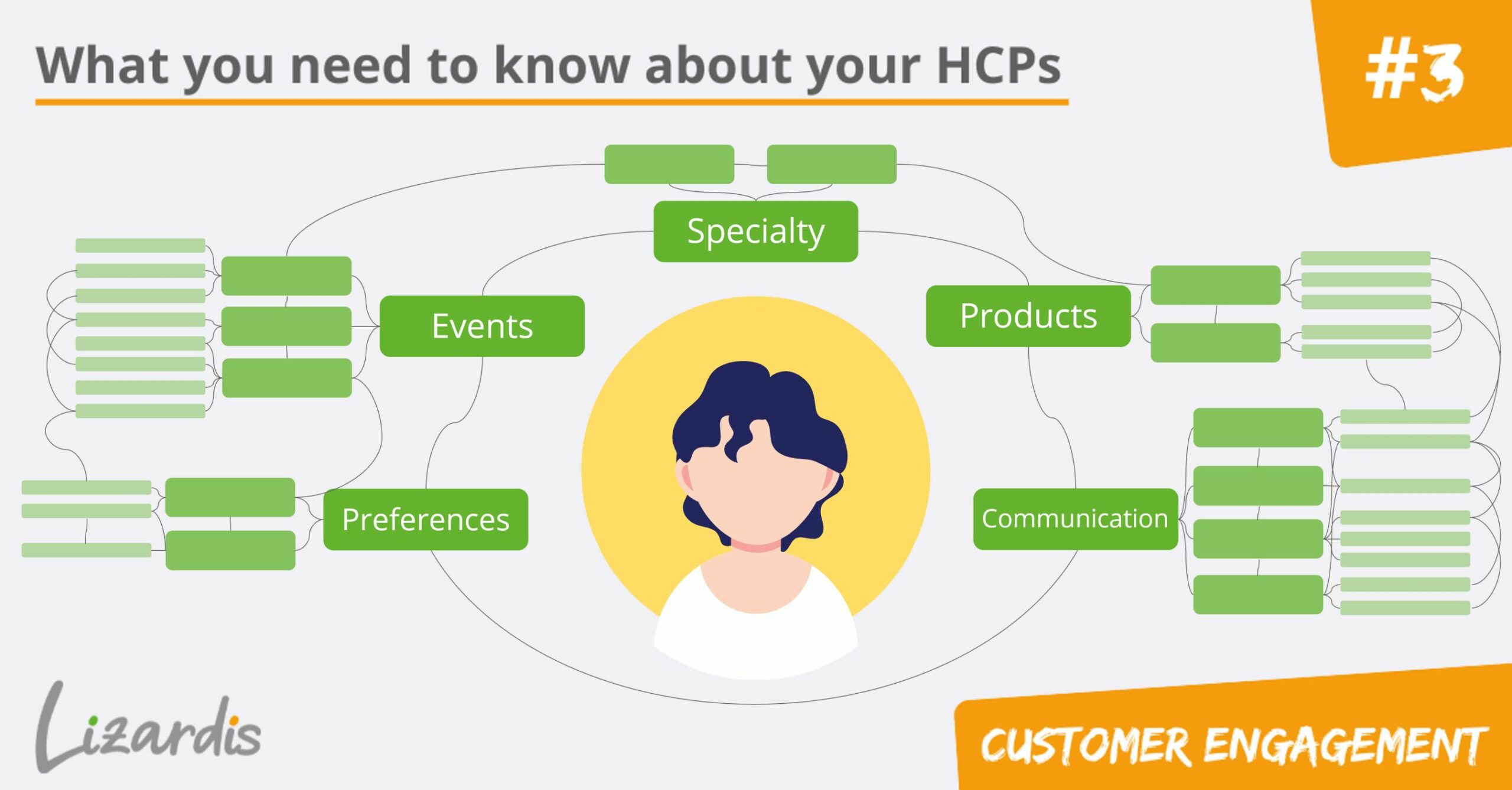
This is what you should know about your customers in the life sciences industry
Learn here, what you as a life sciences companies should know about your customers to inspire them to further engagement, and how to come to that knowledge.
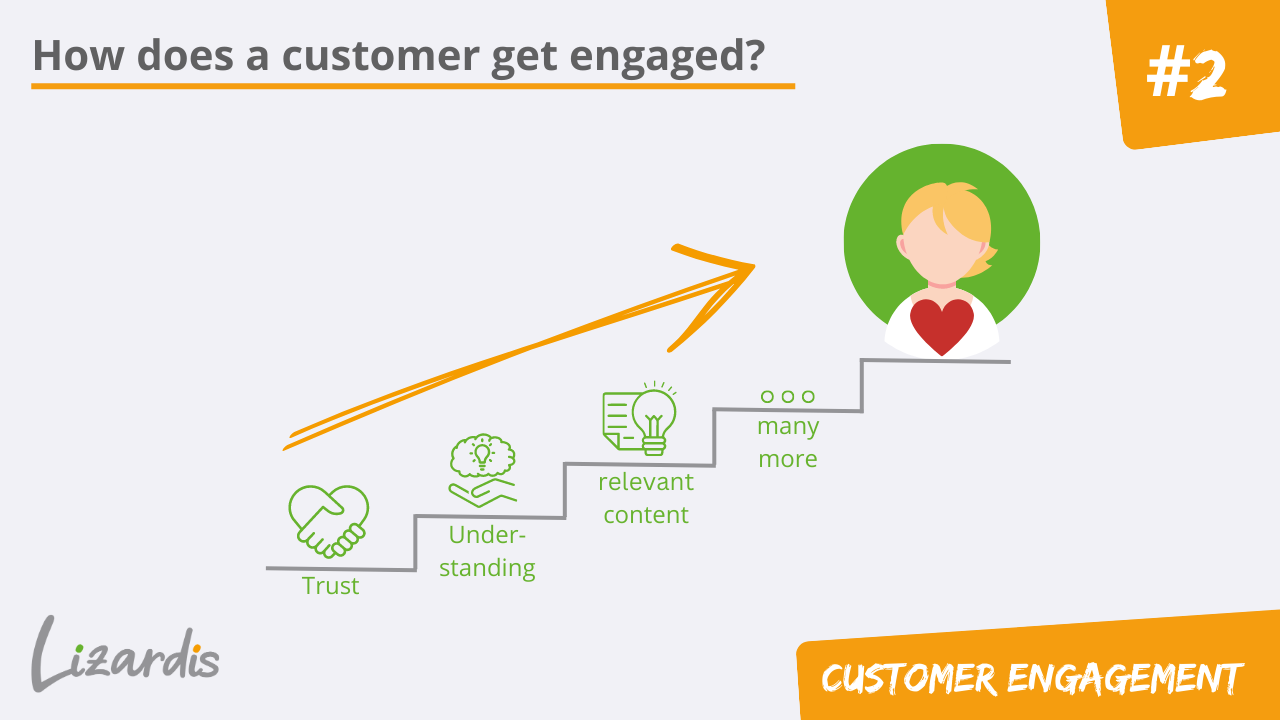
How to turn a customer into an engaged customer
There are several factors for influencing a customer to become an engaged customer. These include - amongst others - trust, understanding and relevant content. Learn more.
What is customer engagement and why is it so important?
Everyone is talking about customer engagement. But what exactly is it, why is it important and how do I optimize customer engagement as a pharma company?

Impressions of the Reuters Pharma Congress 2022 in Nice
You could not attend this years Reuters Pharma Congress? Feel free to browse through our impressions and get inspired by our key takeaways.